
Novak Djokovic’s 418 weeks at world No. 1 isn’t just a number—it’s a testament to how the ATP ranking rewards sustained brilliance. The system, introduced in 1973, calculates points from a player’s best 19 tournament results over a rolling 52-week period. That means every match matters, but not equally. Grand Slam titles carry 2,000 points。while a first-round loss at an ATP 250 event yields just 10. The ranking isn’t a simple ladder;
it’s a weighted ledger where consistency at the highest level pays off.I’ve always found the “best of” structure fascinating. Players can’t rest on a single hot streak. A deep run at Indian Wells or Miami fades from memory after a year—unless it’s replaced by something better. That’s why Carlos Alcaraz’s rapid rise felt so organic. He didn’t just win a few big matches;he stacked results across surfaces. In 2022, his US Open title was backed by semifinals in Indian Wells and Miami, plus a Barcelona trophy. The ATP ranking doesn’t care about reputation. It cares about repeatable performance.Critics argue the system punishes injury. A player returning from six months out often faces a brutal slide. But the tour offers protected rankings and injury exemptions—a necessary safety net. Still, the ATP ranking remains ruthless. Look at Rafael Nadal’s drop after his 2023 hip surgery. He tumbled from top 10 to outside the top 600. The points don’t wait. That harshness is the point: it keeps the ranking honest. No legacy spots, no sentimental exceptions.Another quirk: the year-end No. 1 isn’t always the best player in December. It’s the one who accumulated the most points over 12 months. In 2016, Andy Murray chased down Djokovic with a frantic autumn—five titles in five weeks. That run flipped the ATP ranking. It felt like a sprint finish after a marathon. Some fans prefer a simpler ranking。
like the race to Turin. But the 52-week system rewards longevity, not just a hot fall. I think that’s fairer, even if it confuses casual viewers.What’s next?
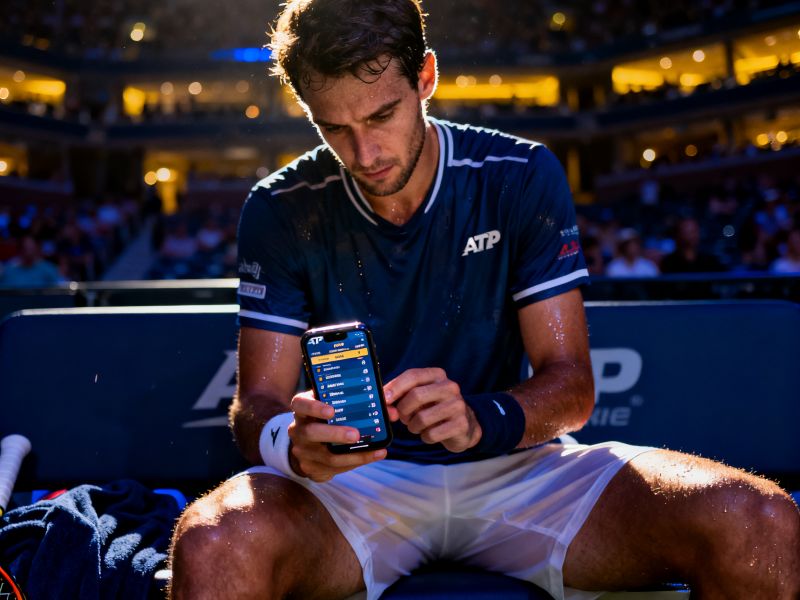
The ATP ranking might evolve with expanded Masters events and a revised calendar. But the core principle—points earned, points defended—won’t change. It’s the sport’s quiet referee, shaping seedings, draw luck, and sponsorship deals. Next time you see a player check the live ATP ranking on their phone after a win, remember: that number is a year’s worth of sweat。compressed into a single line. No shortcuts. Just tennis.